
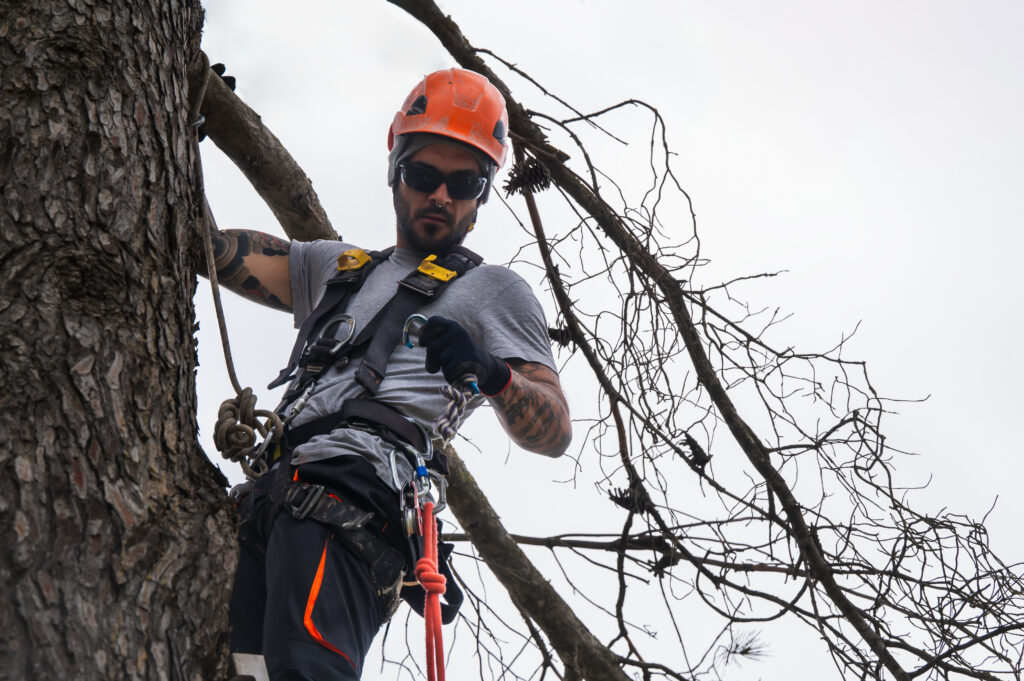
From the towering Douglas-firs to the sprawling Oregon White Oaks, the Willamette Valley is home to some of the most vibrant urban and rural forests in the Pacific Northwest. However, maintaining these giants requires more than just an occasional prune. The unique climate of Western Oregon—characterized by wet winters and dry, temperate summers—creates a specific set of requirements for proper tree care.
1. Timing is Everything: The Seasonal Window
In the Willamette Valley, timing your tree trimming can be the difference between a thriving tree and a diseased one. While emergency removals happen year-round, structural pruning is best done during the dormant season (late autumn through late winter).
-
Disease Prevention: Trimming in winter minimizes the risk of spreading pathogens like cytospora canker or various fungal blights that thrive in our humid, rainy springs.
-
Visibility: Without leaves, the structural “bones” of deciduous trees like Maples and Birches are visible, allowing for more precise cuts.
-
Spring Growth: Pruning just before the spring “flush” allows the tree to direct its energy into new, healthy growth as soon as the valley warms up in April.
Local Insight: The “Birch Rule” In the Salem and Eugene areas, Birch and Walnut trees are notorious “bleeders.” If pruned in late winter, they can lose significant sap. For these specific species, many local arborists recommend waiting until the leaves have fully hardened off in mid-summer.
2. Managing the “Valley Winds”
Residents from Woodburn down to Albany are familiar with the gusty winds that funnel through the valley. Proper tree trimming isn’t just about aesthetics; it’s about wind sailing. Dense canopies act like sails in a storm, putting immense pressure on the trunk and root system.
Thinning the canopy—specifically removing “watersprouts” and crossing branches—allows wind to pass through the tree rather than pushing against it. This is critical for the safety of homes near tall Evergreens during our November windstorms.
3. The Threat of Invasive Species
Trimming in the Willamette Valley also involves a defensive strategy against invasives. English Ivy is a major culprit in the region, often climbing trunks and suffocating trees. When trimming, it is standard practice to “clear the collar” of the tree, removing ivy and ensuring the root flare is visible and dry to prevent root rot.
4. Fruit Tree Heritage
The valley’s rich agricultural history means many properties have legacy fruit trees—Apples, Cherries, and Pears. For these trees, trimming serves a dual purpose: health and production. Local experts focus on the “Open Center” or “Central Leader” methods to ensure sunlight reaches the interior of the tree, which is vital for fruit ripening in our often-cloudy climate.
Conclusion
Healthy trees are the backbone of the Oregon landscape. By understanding the specific needs of our valley—from timing the dormant cuts to preparing for seasonal winds—homeowners can ensure their trees remain an asset rather than a liability. When in doubt, consulting a certified arborist familiar with the local soil and weather patterns is always the safest path forward.